Introduction
Gut health impacts the entire body and mind. Diversity of bacteria in our gut/microbiome is a key to our overall health. My dietary notes below shows the best natural strategies I have adopted to feed and seed the microbiome with beneficial organisms, maximizing diversity and functional resilience for optimal health. Sharing some meal ideas from my kitchen to show diversity here – https://duggisworld.com/meal-ideas/ Future goals/WIP: Planning to take some pictures of things below and make the page bit more visually appealing.
I am not crowding information below with details of the reasons/research behind each item. A simple google or chatGPT search will show you the benefits/reasons. Also sharing a link with a quick intro to the world of microbiome: https://my.clevelandclinic.org/health/body/25201-gut-microbiome
Any suggestions, new ideas or corrections please email me: shylaraj@gmail.com
General Lifestyle Changes
- Switched fully to organic products, produce, fish & chicken as much as possible. Shops I go to now is listed below.
- Beef mostly out. Mimi is still enjoying it 😊 Occasionally (once in two months or so), we buy a small piece of 100% grass-fed organic ribeye, or tenderloin and make at home.
- No alcohol. This was an easy one for both of us, as I am not a fan… and Rajeev also is not keen into it. Occasionally we take a sip of wine or margarita, when we are with friends.
- Switched to 100% grass fed cows milk (I hear lot of people saying cow’s milk is not needed and may be bad for us as it has growth hormones for calves. An immunology scientist I once met during a flight also mentioned this. A friend of ours saw significant improvement in pains after he stopped diary. So, I keep almond milk (one with minimum ingredients) to mix in overnight oats / cereal etc. Buying Maple hill brand 2% milk from whole foods now. We also sometimes get the raw milk from Kimberton farms, Ottsville, PA
- I am avoiding dishwasher 98% of the time now. in an attempt to reduce microplastics and also, to avoid the thin film of soap that can be on the plates. Recently I found a plant-based dishwashing liquid** in whole foods and purchased that. Used twice and was cleaning OK. Good to have that as a backup for busy days. (Side note: kids & Rajeev are not happy about this change… may be I am overdoing it on this one)
- Laundry: Switched to cleaner Molly’s suds detergent powder and dryer balls. https://mollyssuds.com/
- Cooking methods: Read about cooking methods and its impact on some foods, nutrition etc.
- Air Fryer: High heat cooking is mostly not good for many foods. So, even when I use air fryer, if possible I try to keep it below 330-350 F. A balance between taste/texture and health.
- Instapot: I use a lot to cook soups, beans, legumes, rice etc.
- Steam: Very good. Good way to reheat as well instead of microwave.
- Prepare and eat fresh daily, reducing the things stored in fridge when possible. Home made chicken burger patties, Idli etc. I store in freezer. Having some things like that in the freezer helps to still eat home made food when you are pressed for time, or when you are back from travel etc.
- Utensils: Mostly using clay pots from India. I also use cast iron, and stainless steel occasionally.
- Switched to glass containers/ jars for food and grocery storage as much as possible (to reduce microplastics) . At some point I thought I might get an invitation to Bezos wedding as we were ordering glass jars every day for sometime. 😊
- Salt – Switched salt to reduce microplastics. Tried few, some are too expensive. https://www.amazon.com/Saltverk-Flaky-Sea-Salt-Eco-Friendly/dp/B06XKSFW4P So took a middle ground with Maldon Sea salt https://www.amazon.com/dp/B086XGH24W
- Sugar & desserts: We reduced sugar a lot. Mostly we use sugar only for tea now. I mix little bit turbinado sugar and jaggery powder. https://www.amazon.com/Organic-Tattva-Jaggery-Powder-Certified/dp/B00M57WTAU Occasionally I make cake with oats, apple, carrots walnuts, dates etc. If it needs some extra sweetness, I mix little bit of pure maple syrup. Mostly our desserts are now fruits. I use little bit of Manuka honey sometimes in salad dressings for sweetness.
- Our diet is predominantly plant-based, complemented by fish for dinner 3–4 times a week, 1-2 eggs per week, chicken 2-3 times a month. It closely aligns with the Mediterranean style, incorporating ingredients like extra virgin olive oil (EVOO), feta, olives, fish, tomatoes, parsley, lemon, vegetables, and a variety of nuts.
- I started using an app called Yuka to evaluate product quality. It displays information on additives, ingredient risks, and overall product health scores. Initially, I ended up discarding many items from my kitchen after discovering hidden ingredients through Yuka. The app also includes a barcode scanner for convenience. I’m not sure if it works outside the USA. Looks like Yuka also started rating non-food products now 🙂
- Switched to high quality Organic Extra Virgin Olive Oil (polyphenols) – Over the months, I have found many that are good with polyphenols. I now keep/use all of them. Store in a cool, dark place.
- Laconiko ZOI Ultra High Phenolic Extra Virgin Olive Oil: High quality https://www.amazon.com/dp/B0C3WVXNNX
- Evoolution: https://evoolution.com/ ships from Canada. They carry good selection of Balsamic Vinegars. I use this oil and vinegar for Salad dressings.
- Atlas: https://www.amazon.com/dp/B07L9GVGPM (Uses for cooking as this is relatively cheaper to other ones above)
- I switched to this refillable oil sprayer so I can use my own oil and spray it as needed, eliminating the need for store-bought canned sprays https://www.amazon.com/dp/B0BQMRJF4Z
- Salads: We’ve incorporated a lot more salads into our meals, and I try to make them different so we don’t get bored. As a base, I typically use boxed salad mixes from Whole Foods and store them in the fridge. I usually buy a small box each of arugula, spinach, and a mixed greens blend that includes baby kale, Swiss chard, and more. I combine a bit from each to create the base, then layer on whatever toppings or ingredients we feel like that day. Some favorite additions are listed below — feel free to mix and match!
- Legumes: I usually keep 1–2 types cooked and ready in the fridge (legumes I rotate listed below)
- Cheese: Crumbled feta (from a block), freshly shredded parmesan, Gouda, Blue Stilton, Jarlsberg, Manchego etc
- Whole Grains: Cooked whole grains (this also I make a small batch and store for easier use). Whole grains I rotate listed below
- Roasted Veggies: Some weeks, I roast beets or butternut squash (air fryer makes it easy) and store in the fridge
- Fruits: Mango, oranges, pear, Blackberries, Raspberries, pineapple, blueberries, strawberries, and/or pomegranate seeds
- Seafood: Occasionally, I include canned sardines, mackerel or anchovies (low salt and fewer preservatives).
- Nuts: A variety of nuts (see full list below) for added crunch and nutrition.
- EVOO: If I haven’t consumed extra virgin olive oil elsewhere in the day, I drizzle it into the salad for a healthy, simple dressing.
- Salad dressing: It s hard to find good dressing with less additives. So, started making dressing at home. There are many, but sharing one I like recipe: https://www.culinaryhill.com/thai-peanut-dressing/#wprm-recipe-container-34294. If I am in a hurry, I just mix, EVOO, little Manuka honey, Lemon juice. EVOO and Evoolution Balsamic Vinegar are yummy too.
- Restaurant dining: We used to eat out 2–3 times a week, but now we limit it to just once — usually on Friday or Saturday night. If we attend a friend’s house party or gathering where we eat whatever is served (not always following our usual diet), we skip dining out that week. When we travel, we check menu and plan restaurants carefully. During a recent visit to Australia, I was pleasantly surprised eating at a Vegan restaurant. Whole family loved the taste, and I will say it was equally or even better than non-veg dishes. https://bampow.com.au/menu Jackfruit Rendang was the best. I realized that veg dishes can be made sooo tasty and it could satisfy some hard core non-veg people in our group. Hoping to try and reproduce their dishes some day 🙂
- Indoor plants: I’ve added a variety of indoor plants to the rooms we use most, primarily to improve air quality. Snake plants and peace lilies are our main choices so far, along with a few other types whose names I’ll add later**. I came across an article that ranked indoor plants by their air-purifying benefits — I need to locate and link it here. This is still an ongoing project, as my goal is to eventually have at least one plant in every room of the house.
- Air circulation: When weather is good we try to leave the windows/doors open for better air circulation
- Stopped using aluminum foil for most things. For baking using parchment paper now.
- Trying to reduce plastic Ziploc bag usage. Found some compostable ones in Whole foods.
- I’ve also stopped using traditional tea bags due to concerns about microplastics. When I really need to use one, I open the bag, use only the loose tea inside, with hot water and strain it.
- Stopped making coffee daily at home. I see mixed reports on this. Some say it is good, and some says bad. As I am not sure who is right, sticking with tea for now. But when we travel/ go out we get lattes with no sugar.
- No fruit juices (as it is high in sugar)
- Hydration, exercise and Sleep: ensure you stay hydrated, exercise regularly and get adequate sleep as they are very important for your body cells to thrive/repair etc.
- Added Reverse Osmosis under the sink system. https://www.amazon.com/dp/B07M9CPCPT Since RO wipes out minerals, using this only 50% of the time. Rest of the time it is the 5 gallon drinking water bottles from Crystal. When I use RO water, I boil it with something like Cumin or some Ayurvedic roots from India or Elderberry and echinacea mix we get at local store, hoping to add some good stuff as minerals are depleted in RO water.
- Using almond milk (with no additives) for non-tea needs.
- Coconut milk/tomato paste/jam/ and many other products – using Yuka to make sure I get zero or minimum additives products.
- Signed up and checking https://www.consumerlab.com/ which does independent tests for products to rate quality.
Daily Must-Haves
- Tea/Ginger: We prepare Indian black tea with milk twice a day, sweetened lightly with a mix of turbinado sugar and powdered jaggery—no sugar substitutes. I also add about a tablespoon of crushed organic ginger per cup, which enhances the flavor and offers health benefits
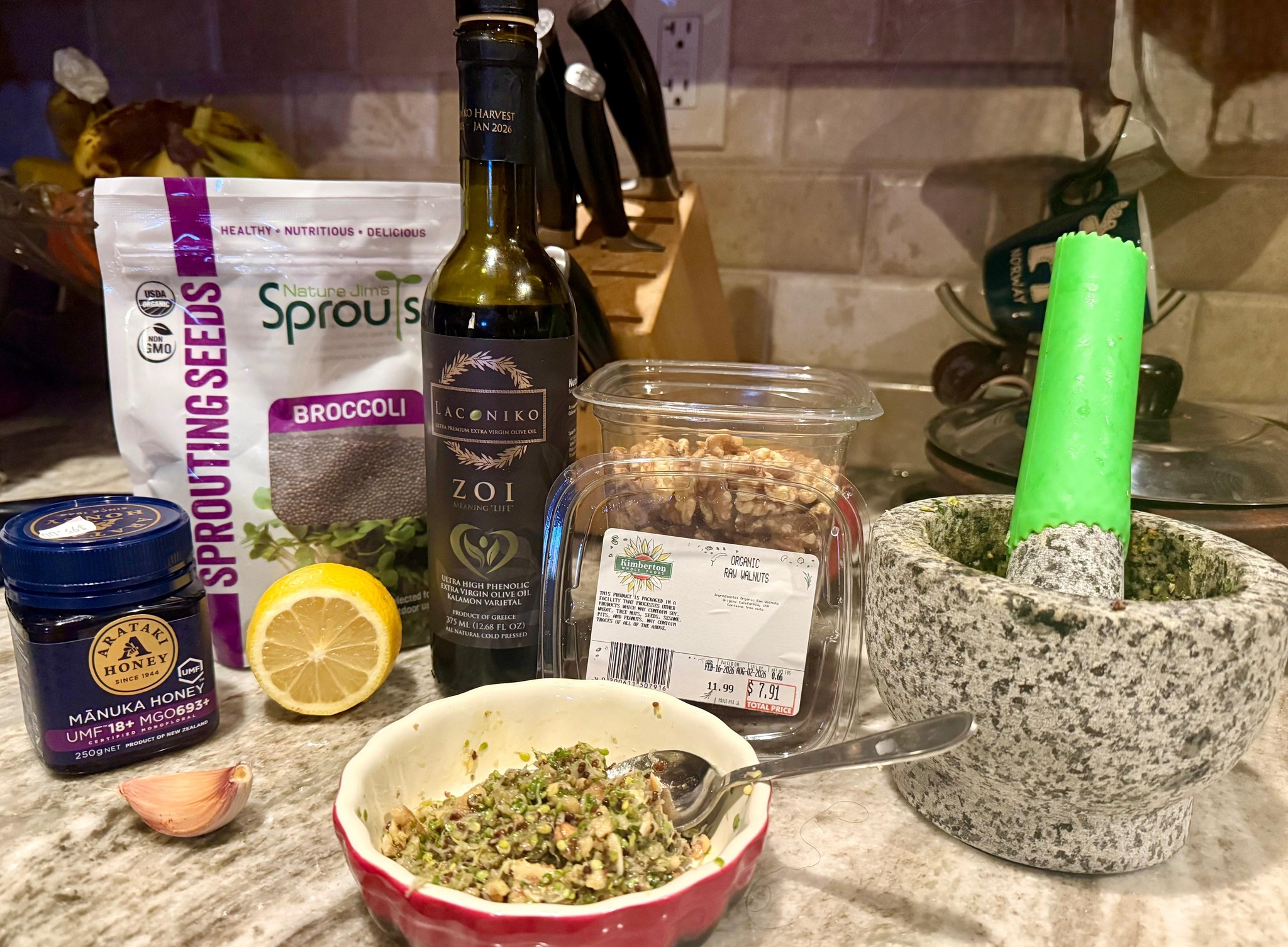
- Broccoli sprouts: Whole Foods carries these, but I prefer to grow them at home from organic seeds I buy on Amazon. It takes about 3–5 days to grow a batch, which lasts us around 4–5 days. Once ready, I store them in the fridge. I read that gently heating the sprouts releases beneficial compounds, though I’m not sure about the exact temperature. So, when making stir-fries, I often turn off the heat and add the sprouts while the pan is still warm, allowing them to get some gentle heat.. These days we consume sprouts crushed with a Mortar and Pestle along with one garlic pod, walnuts, little manuka honey and some lemon juice and EVOO. Apparently, aerated raw garlic has different kind of health benefits. Honey helps with the taste to consume this. I use the most expensive EVOO and Manuka honey in my collection for this mix, as this is consumed raw and won’t lose any benefits. https://www.amazon.com/gp/product/B08WLJ1DXR https://www.amazon.com/dp/B09RQNNDWC https://www.amazon.com/dp/B08695416M
- Kefir: At first, I bought kefir from stores, but later I started making it at home using live kefir grains from Fusion Teas that I purchased on Amazon. Store-bought kefir typically contains about 14 strains of bacteria, whereas homemade kefir from these grains has over 50 strains. It’s also very easy to make—I simply mix the grains with milk from the fridge and leave it in a warm spot for a day or two (I usually keep it in the oven with the light on). We aim to drink at least 6 ounces of kefir daily. I typically prepare a batch, then blend it with onions, ginger, green chili, and curry leaves before storing it in a glass bottle/container in the fridge https://www.amazon.com/dp/B007GGRJTG
- Turmeric: I initially started with one capsule (1500mg) of turmeric with Bioperine at night, then after a few months, increased to two capsules daily—one in the morning and one at night. I pair it with natural sources of vitamin C like oranges, kiwis, strawberries, guava or papaya, as I read that it helps maintain optimal blood levels while taking turmeric https://www.amazon.com/dp/B01DBTFO98.
- Matcha: I try to mix matcha powder with warm water & little bit of Manuka honey. Consumer lab recommended Jade Leaf Matcha Ceremonial. I did some more reading and decided to get some from the Uji region, Kyoto, Japan: https://ujimatchatea.com/products/okumidori-organic-uji-matcha?campaign=foxsell&utm_source=cps_box_pro
- Flax seeds & Chia seeds mix: I usually serve this mix with evening tea: grind 2 tablespoon of flax seeds with 1 teaspoon of chia seeds and a date or a dried fig for sweetness. I mash it with half banana—similar to Kerala’s puttu pazham—to make it more appealing (especially for Rajeev!). Research suggests that ground flax seeds offer the most benefits when consumed within 10 minutes of grinding, so we prepare it fresh each time. Recently, I started to add some cacao nibs to this mix, as the combination makes it easy to hide the bitter taste for cacao haters here 🙂
- Frankincense and Myrrh:
- Essential Oil: I read that frankincense and myrrh essential oil blends have benefits, so I started using the one from Eden’s Garden. There are a lot of fake products in the essential oil space, so I did some research to find a trustworthy brand that wasn’t part of an MLM. I add six drops to a wooden diffuser and place it on our nightstand before bed. I also dab a little on my fingertip and run it across the pillow so we can breathe it in while sleeping
- Burning natural resins (just the main floor of the house): I found real frankincense and myrrh resins at a local natural food store and decided to try burning them. To avoid using charcoal and creating smoke indoors, I came up with a gentler method: placing the resins in a small cast iron bowl set over a hot plate on low heat. I do this 2–3 times a week, and it works surprisingly well https://www.amazon.com/dp/B0007QCRNU? https://www.amazon.com/dp/B07T26FHGQ
- Diffuser: I also bought all glass (no plastic) diffuser for essential oils.. but stopped using that after getting the natural resins. Also, I didn’t like the essential oil smell it produces. https://www.amazon.com/dp/B0CK29B435
- Turmeric & Ginger roots & Garlic: I grate/chop/crush add them generously to dishes where their flavors complement the meal.
- Herbs: I’ve been using a lot of parsley, and occasionally cilantro, mint, dill, and basil—just tossing them into dishes wherever I feel they’ll work well. Curry leaves for Indian dishes too
- Lemon/Lime: I try to use juice from one fresh lemon (yellow) a day. It may be in a salad/veggies/marinade, or in a dish.
- Extra virgin olive oil: We try to consume 1-2 tbsp per day. This is easily achievable from cooking, or mixing in salads. I use organic virgin coconut oil for high heat cooking – https://www.amazon.com/dp/B00EEEGJSU
- Whole Grains: According to Dr. Urvi Shah’s webinar, our bodies thrive on whole grains, while processed grains act more like sugar and provide little benefit. Based on that, I stopped using white bread and refined flour. For both lunch and dinner, I aim to include about ½ to 1 cup of cooked whole grains from a variety of sources (see list below):
- Legumes: Using at least 3-4 times a week. Some of the legumes I use are listed below.
- Fruits: ¾ – 1 cup with every meal (3 times a day, variety list below)
- Vegetables & Green leafy vegetables: 50-60% of lunch and dinner.
- Handful of nuts: I’ve read in many places that walnuts are highly beneficial, so I try to include 10–12 walnuts per day. They can be eaten on their own or added to cereal, salads, and other dishes. I also sprinkle in other seeds throughout the day—thinking of it as a daily ‘handful of nuts’ spread across meals. Regulars include walnuts, pumpkin seeds, sunflower seeds, and almonds. Occasionally, I rotate in pecans, hemp seeds, or pine nuts. We also sometimes snack on pistachios. Kimberton Foods carry fresh walnuts (not dried).
- Fermented foods: Sauerkraut, Kimchi, Seaweed, etc. Small portion as a side at least 3-4 times a week. Sometimes I make sauerkraut at home, and it came out well. https://www.daringgourmet.com/how-to-make-sauerkraut/#recipe
- Cheese: Gouda, Muenster, Blue Stilton, Jarlsberg for occasional snacking. Parmesan for salad topping sometimes
- Supplements: Plant based Omega-3 (one daily), and Curcumin – 2 times a day. Multivitamins – once a day. Started trying Berberine (November 2025) two times a day now. Will see if that is helpful.
- Soy products: nuts / edamame / tofu / miso: Heard soy products are good.
- Soy nuts: soak in water, boil, and keep batch in fridge to mix in salads
- Edamame: for salads or eat alone
- Tofu: Make Asian Stir fry with vegetables. Recipe idea from https://www.noracooks.com/marinated-tofu/#wprm-recipe-container-4106
- Sometimes I mix 1-2 tsp white miso in salad or stir fry (once it cools down little)
- White Miso: I try to mix this in salads/dishes where the taste compliments.
- Sleep: Try to get 7-8 hour sleep.
- Sunlight & Outdoor: Walking outdoors when possible. This is really hard during winter months in Philadelphia. Planning to spend more time in sunny Florida during winter months.
- Yoga & Meditation: This remains as a goal so far, and haven’t started yet.
- Exercise: Cardio & Strength training.
- Intermittent fasting: This is a hard one. Also, seems like bit controversial from everything I am hearing these days. So, trying to not eat/snack between dinner (around 6-7pm) and breakfast (around 8-9am). That gives about 14hours of fasting.
Some daily meal ideas:
Breakfast
One of the below with a cup of Indian tea (see under daily must haves), and a plate of fruits. Mostly fruit for Vitamin C (berries/oranges/papaya/kiwi/blueberry/guava to name some) along with the morning turmeric capsule (also listed under daily must haves). Recently added 1 capsule of Solaray Berberine (nature’s Ozempic) to the breakfast routine: https://www.amazon.com/Solaray-Berberine-Guaranteed-Potency-500/dp/B087YD4LSH/
- Bread: On days we have bread for breakfast, I use Ezekiel sprouted sesame bread. We spread it with butter and jam—specifically, jams with fewer additives and less sugar**. T I use is Kerrygold Irish butter from Costco. On some days, I also add a soft-boiled organic egg of the best quality I can find.
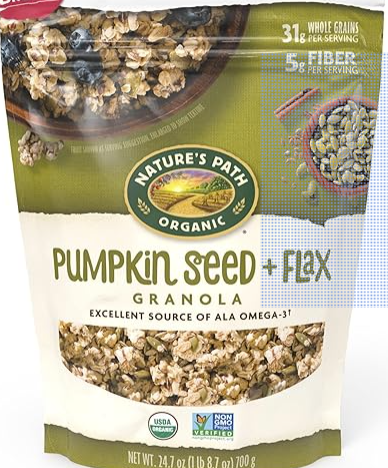
- Organic whole grain cereal:On days we eat cereal (less frequent), we switched to a better/natural cereal with granola and oats from Costco**. I also throw some nuts into it (Sunflower seeds, Pumpkin, Walnuts.. occasionally little bit of hemp seeds)
- Overnight oats: https://shylaskitchen.wordpress.com/2018/10/25/overnight-oats-with-banana/
- Egg and Veggies Quiche
- Dave’s Killer Bread Epic Everything Bagels with little Kerrigold Irish butter
Lunch
….. depends on time in hand.. and what I have. Served with variety of fruits …..
I make sure to include a variety of vegetables (both leafy and others), legumes, whole grains, and proteins occasionally (fish, tofu, eggs) in the meals listed below. Will write and link some recipes later when I have more time.
- Salads:
- Soups:
- Stir fries:
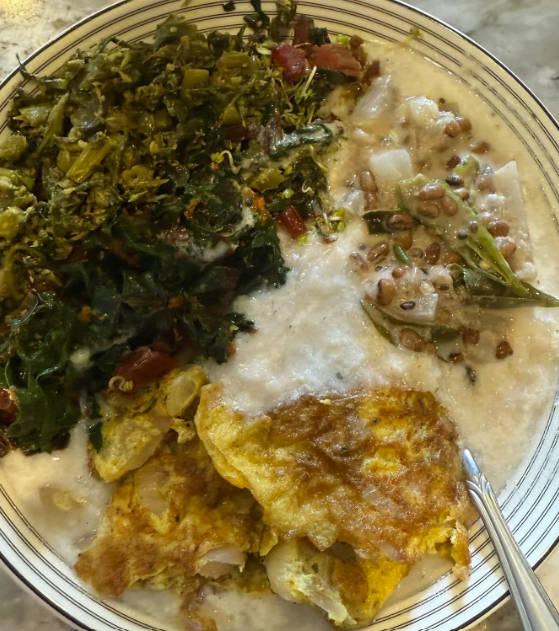
- Pazham kanji: an old time healthy fermented rice dish from kerala/india. You can add anything as sides. I usually serve with vegetables, an egg omelet some curry or yogurt for the rice mix, and Indian pickle. https://www.tastymalabarfoods.com/2017/09/fermented-rice-gruel-how-to-make.html
Evening Tea/Snack
- Tea (ginger, milk and black tea), with flax seeds and chia seeds mix (details of both in daily must haves below).
Dinner
- Dinner is our biggest meal and a happy time when we eat together, talk, watch a show, and laugh. I like to get creative with dinner dishes, ensuring they always include a good balance of vegetables, protein, fermented foods, and fruits
- Adding a Mediterranean fish recipe that I am making almost every week now as an example. It is tasty and super healthy: https://shylaskitchen.wordpress.com/2025/06/12/yummy-healthy-mediterranean-fish/ I serve this with basmati rice and/or a side salad or mixed veggies. A side of pilaf with black rice/orzo, mushrooms and other veggies with parsley is nice too.
- Another example is air-fried salmon marinated with herbs and spices, drizzled with lemon juice, extra virgin olive oil, grated turmeric root, and black pepper. It’s served alongside mixed vegetables and a whole grain
- Will add more dinner recipes later.
- Sharing some meal ideas from my kitchen with more diversity here – https://duggisworld.com/meal-ideas/
Kitchen & Pantry Staples
Whole Grains
- Millet – https://www.amazon.com/dp/B0BV6D7R4B
- Whole grain orzo
- Farro
- Whole wheat
- Whole Oats
- Barley
- Buckwheat
- Quinoa (Occasional)
- Sorghum
- Whole oats
- Rice (Matta/Brown(short, long, medium)/Black-forbidden rice)
- Bulgur Wheat https://www.amazon.com/dp/B074H6VRKY (Occasional)
- Couscous
- Basmati or Jeera rice (Not fully whole grain, but can’t avoid as we love ghee rice/ biriyani)
- Soba noodles (from buckwheat) (Occasional) https://www.amazon.com/gp/product/B09L38LHGT
Meat
- High quality/ organic chicken (thighs and ground). Eat to beat disease says chicken thigh is better than breast for some compounds (can’t remember name). Anyway it is a blessing as we prefer chicken thighs. Mostly once in 2-3 weeks.
- Very rarely few pieces of steak/beef (once in 2-3 months or so)
Fish
- Only adding fish that are available to me at our local healthier fish stores.
- Salmon & Branzino more
- Flounder, Seabass, cod, Walleye & Rainbow trout sometimes
- Occasionally – Halibut, Oysters (according to Eat to Beat disease book: Pacific oysters are good)
- Fresh Sardines, Mackerels, anchovies are all great. But I don’t get fresh ones regularly. So, I use good quality canned ones sometimes to top salads.
- Trying to stay Organic, Wild caught as much possible.
Vegetables
- Purple Sweet Potatoes
- Variety of good Mushrooms (shitake, Lions Mane, Trumpet, white button etc.)
- Okra & Bitter gourd
- Celery, Zuccini yellow and greem, tomatoes (roma and cherry)
- Parsley, Cilantro, Mint etc
- Green leaves: Collard greens, Swiss chard, Tuscan Kale, Spinach, arugula, Dandelion leaves, Bok Choy,
- Green/Purple/Savoy Cabbage, Brussel Sprouts, carrots, mushrooms, Broccoli, Radish, Cauliflower, leeks (for soups, stir fry), Turnip
- Wasabi/Horseradish
- Fennel bulb (for salad), beets, leeks, Green Beans
- Bell pepper
- Green chili
- Broccoli sprouts (grow from seeds at home)
- Fresh Garlic – I try to use 1/2 – 1 bulb a day between meals.
- Fresh ginger – I try to use a lot in tea and curries
- Turmeric root & powder: Whenever I can (if a dish can take it), I grate fresh turmeric root and/or sprinkle powder
Fruits
## Most of these fruits can be also a good addition to salads ##
- Pomegranate (Eat at least half daily). Good to throw in salads. (Daily)
- Kiwi (apparently 1-2 kiwi a day is amazing) & Blueberries (Daily)
- Papaya
- Berries: Strawberry, Blueberry, Blackberry.
- Apples
- Concord grapes
- Oranges
- Guava
- Mango
- Pear
- Cherimoya aka. Custard apple aka
Flavor Enhancers (more natural):
I mix in little Manuka Honey or Date Syrup or pomegranate molasses to balance taste for hard to eat foods. This makes it little less painful to eat some of the weird tasting healthy foods.
Desserts:
Desserts are tricky because of sugar content. Mostly we use fruits for the sweet craving. But for cravings occasionally I make coconut pudding, Banana/carrots bread with oats/almond flour, or air-fried ripe plantain bananas etc. Black rice mixed with little bit of coconut milk, and maple syrup/honey, paired with ripe mango slices is tasty too. Will add details and recipes later when I have more time.
Current Supplements:
- Curcumin – twice daily (one each after breakfast and dinner, adds to 3gm per day. We make sure this is consumed with fruits rich in Vitamin C) https://www.amazon.com/dp/B09YMVH23F
- Omega-3 – 1 caplet during lunch https://www.amazon.com/dp/B0164SLU8M
- Daily one Multivitamin for 50+ – one after dinner (from Costco)
- Berberine – twice daily since Nov 2025 (one each with breakfast and dinner, adds to 1000mg per day) https://www.amazon.com/dp/B087YD4LSH (This is added to support cells with borderline pre-diabetic numbers for glucose, around 100-110 Non Fasting, and 5.6 A1C. I would not have added this otherwise). Discontinue if this disrupts gut. Also, I heard that it is better to take a one week break every six weeks, to reset gut.
Travel tips:
It is hard to manage all this while traveling. But I try to follow atleast 70% of this while traveling.
- As much as possible, I try to pack, things in my daily must haves that are hard to source while traveling. In reality, the unfortunate truth from what I have seen in our travels is… food regulations outside USA in many countries are more strict, and it is easy to get clean food.
- Picking restaurants which has good/cleaner dishes that doesn’t disrupt the “hardly” built/earned microbiome.
- Staying in Airbnbs when possible to source atleast two meals at home, and also can continue to follow many things as there is a full kitchen. And I can have my Indian tea 🙂
- Make sure to eat lots of diverse veggies, fruits, legumes and whole grains.
- Lunch: If stay/trip allows, make salads and carry for lunch. If I know that I will get only burgers and fries for next day’s lunch, and can’t make a salad at home, I try to do take out from previous night’s healthy dinner restaurant, which I can use for lunch next day.
Shops:
- Kimberton Foods: Love this local store. 90% of produce I see there are certified organic.
- Whole foods: As Kimberton is 45mts drive, whole foods becomes my next choice when I don’t have much time.
- Wegmans: Mainly for good quality fish
- Indian Store: for Indian grocery needs. Like Bitter gourd, Green plantains, Okra, Curry leaves etc. They have some organic products. Very few though
Strategies
- Weekly menu planning to ensure 30+ plant foods. Reached 30 by mid-week last time I counted. I like using ReMarkable to save and reuse plans.
- App Bringly for grocery lists by shop. List can be shared and edited by other members of the family.
- App Yuka for checking products quality, ingredients and risky additives.
- Sharing some meal ideas from my kitchen to show diversity here – https://duggisworld.com/meal-ideas/
Resources
- Webinar: Dr. Urvi Shah – Insights on plant food diversity (30+ plants/week):
https://www.myeloma.org/videos/ask-me-anything-replay-insights-dr-urvi-shah-memorial-sloan-kettering - Book/Audio book:
- Read: Eat to Beat Disease by Dr William Li.
- Mastering Diabetes
- Wish List: How not to Die – Dr Greger
- Netflix Documentaries:
- Live to 100s – Secrets of the blue zones
- Hack your health: the secrets of your Gut
- PDF document I received through a friend from Denny Waxman (a macrobiotic counselor) https://dennywaxman.com/ This PDF is about 15-20years old and was given to a patient who needed chemo for solid cancer at the time (don’t know which kind). He got cancer free through diet and lifestyle changes under Waxman’s guidance. When I compared the PDF contents, almost everything aligns with the guidance by folks like Dr. Urvi Shah, Dr. William Li etc. So it was a good positive reinforcement for the whole philosophy.
- and a ton of google search & reading articles, publications, experiences.
 Duggi's World